Studying with ADHD
What is ADHD?
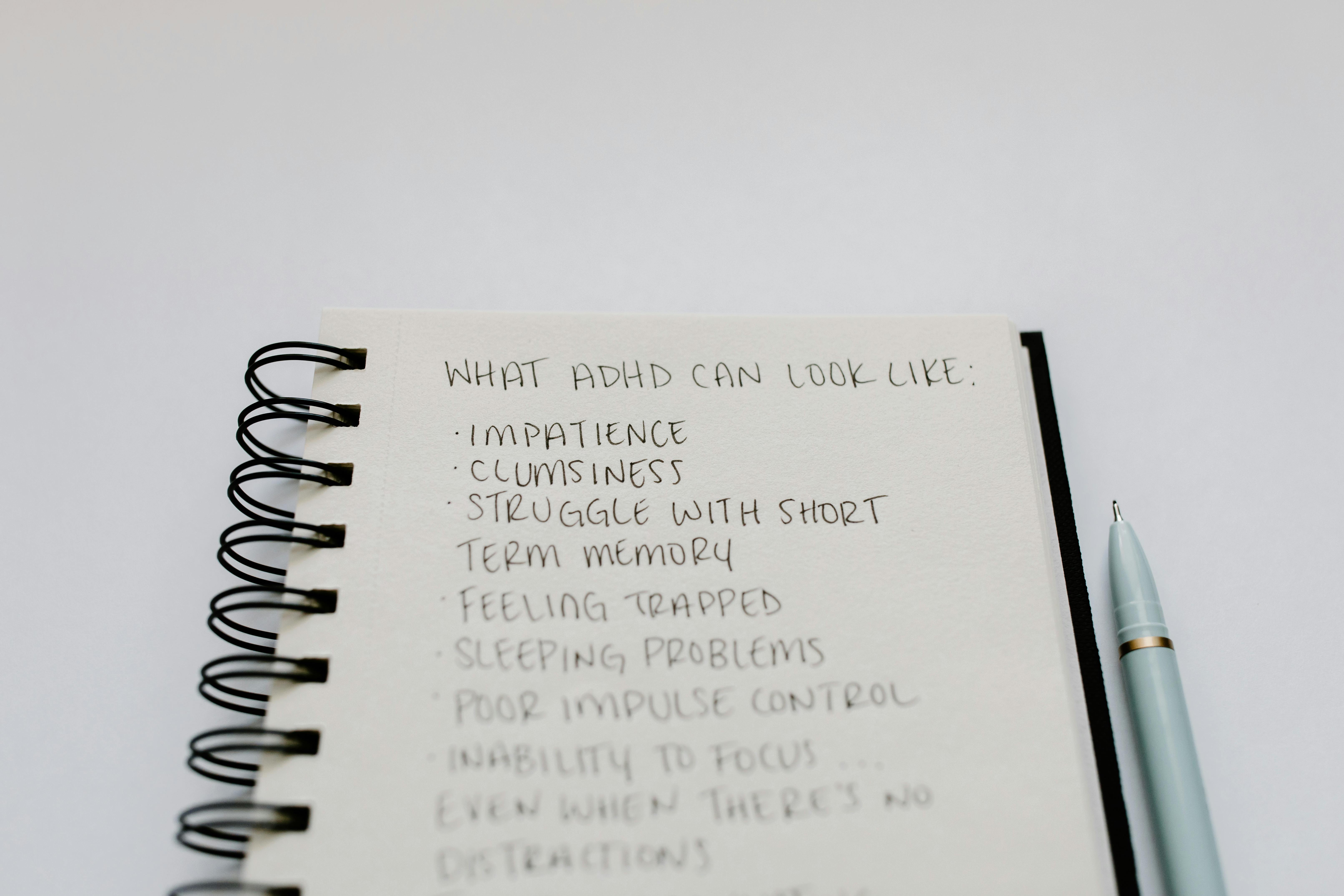
Attention Deficit Hyperactivity Disorder (ADHD) is a neurodevelopmental condition that affects both children and adults. Classic symptoms include a lack of attention, a tendency towards being impulsive, and hyperactivity. While the listed traits are present in some capacity in almost everyone, a higher concentration of them can have a very real impact on daily life.
ADHD is not simply a term used to describe the easily distracted—it involves real differences in brain structure and function.
There are three primary types of ADHD:
- Inattentive Type: individuals struggle with focus, organization, and following through on tasks.
- Hyperactive-Impulsive Type: restlessness, impulsive behaviors, and constant movement are prominent.
- Combined Type: a combination of the above categories.
The diagnosis for ADHD has evolved considerably over the last couple of decades - in contrast to before then, when it was significantly more difficult to receive an accurate ADHD diagnosis. A typical diagnosis would feature reports from teachers and parents, mandated behavioral assessments and in some cases, pscychological tests.
Living with ADHD
There are challenges to be dealt with daily - at school, work, and in inter-personal relationships. That's not all. Living with ADHD impacts the internal ecosystem as well. 50% of adults with ADHD report experiencing emotional toll in the form of anxiety, depression, and issues with self-esteem.
Globally, an estimated 22 million people suffer from ADHD. That is a significant number, even allowing for the cases that have never been diagnosed or were diagnosed incorrectly.
Most commonly identified in childhood, about 129 million children across the world have ADHD. The percentage for adults is slightly lower - with an estimated 6% (15.5 million) globally. Did you know that ADHD and coffee are a rather effective combo?
Check out our factsheet down below!
Psychological Impact of ADHD
The psychological impact of ADHD is a constantly evolving study. It has been linked to mental health and stressors and can cause long-lasting impact to the person as well as those around them.
ADHD can contribute to difficulties such as:
- Lower academic performance
- Increased dropout rates
- Struggles with time management and organization
- Higher rates of anxiety and depression
That said, a large number of ADHD-ers display exceptional strengths such as heightened creativity, spontaneity, and can sustain periods of high energy with relative ease.
The key is to try and adopt strategies and systems built to support, strengthen, and allow for transparency in academic and professional environments.
Studying with ADHD
First things first, studying with ADHD is a tough nut to crack. It can be frustrating, long-winded, and often fruitless.
On the bright side, there are a host of resources on the internet to sift through. Articles, podcasts, YT videos - take your pick!
It's important to find a technique that,
- works for you, specifically
- works with ADHD, instead of against
Here are some strategies that might be of help:
1. Break Tasks into Smaller Parts
ADHD or not, the size of a task does have an impact on general efficacy. You're reluctant to start, unsure if you can handle it. If you have ADHD, tasks tend to overwhelm right from the outset. A trick to getting around this is by splitting a task into smaller, bite-sized pieces with clear instructions.
Instead of using a vague prompt like 'Revise Physics notes', try breaking it down into:
- Review Rotational Mechanics flashcards for 20 minutes
- Work on Thermodynamic questions for 30 minutes
- 10 minute break
- Finish Elasticity assignment after break (time allotted: 60 minutes)
Clarity and time blocks will give an ADHD brain the space it needs to be efficient and focused.
2. Utilize Timers and the Pomodoro Technique
An inability to manage time efficiently is a common consequence of ADHD. Using timers or trying a method such as the Pomodoro technique could create considerable improvement.
Set a timer for 25 minutes of focused work followed by a 5-minute break. This method, known as the Pomodoro Technique, builds structure and offers consistent mental refreshment.
3. Create a Distraction-Free Study Environment
Keep distractions to a minimum.
Find a quiet space, use noise-cancelling earphones if you find yourself irritated by noise, keep your phone switched off and away if possible. if not, lock your social media apps for the duration of your study.
Not everyone is distracted by the same things, so it's important to first identify the main sources of distraction for you. Once that is done, you can try and eliminate them as much as possible.
4. Implement Visual Aids and Color Coding
ADHD brains are known to respond favorably to visual cues.
If you have trouble committing information to memory, make liberal use of visual aids and color-coded notes! For example: highlighting important passages, creating mind maps, colourful charts, sticky note reminders, etc.
You can also recreate this digitally with the help of tools such as Miro and Notion.
5. Use Movement and Kinesthetic Learning
Physical movement can enhance concentration. In fact, studying as you walk is a well-known method used by students to remember information better and build a seamless flow of thought.
ADHD-ers can adopt similar techniques to sharpen focus - studying and walking, making use of a standing desk, and incorporating specific gestures or objects during learning. The last point is most effective in situations where you can learn out loud - with the props serving as milestones.
Kinesthetic techniques make learning more interactive and engaging!
6. Establish Routines and Use Planners
The last in this list, but certainly not the least - a routine! Consistency is the key to living with and conquering ADHD. Create a plan that works for you( tip: leave room for flexibility) and follow it as a closely as possible.
A plan will help you stay centered, while ticking off a task brings a sense of accomplishment that is imperative for sustained learning. Remember: small wins build confidence.
On that final note, here's something cool: A Notion template built to help you ace university!
Factsheet
Some facts for you to mull over!
- Origin: ADHD-like symptoms were first described in medical literature as early as 1798 by Scottish physician Sir Alexander Crichton. However, it wasn't until 1902 that Dr. George Still presented a formal description of children with behavioral disorders resembling what we now know as ADHD.
- Prevalence: Globally, around 5% of children and 2.5% of adults are estimated to have ADHD. The actual figure is sure to be higher.
- Gender Differences: Boys are more frequently diagnosed with ADHD than girls. A possible reason is in how the symptoms present in girls. They are more likely to have the Inattentive Type - less disruptive and thereby, less visible.
- Creativity and Innovation: Many individuals with ADHD possess heightened creativity and can excel in fields that require out-of-the-box thinking. Celebrities and successful entrepreneurs such as Simone Biles, Michael Phelps, and Richard Branson have ADHD.
- ADHD and Sleep: ADHD-ers experience trouble falling asleep and trouble waking up.
- Caffeine Sensitivity: Interestingly, some people with ADHD find that caffeine, which is a stimulant, can help them focus. However, its effects can vary widely.